



Global food supply chains are facing renewed pressure, and one of the key drivers is the sharp rise in fertilizer prices. As conflict in the Middle East disrupts energy markets and trade flows, the consequences are spreading quickly across agriculture, food production, and logistics. For companies involved in food transport and supply chain operations, this is a development that cannot be ignored.
 Fertilizers play a critical role in global agriculture. Modern farming depends heavily on nitrogen, phosphorus, and potassium inputs to maintain high crop yields. However, fertilizer production is closely tied to energy markets. Natural gas can account for up to 70 to 90 percent of the cost of producing nitrogen fertilizers. When geopolitical tensions disrupt gas supply, fertilizer production becomes more expensive and less predictable.
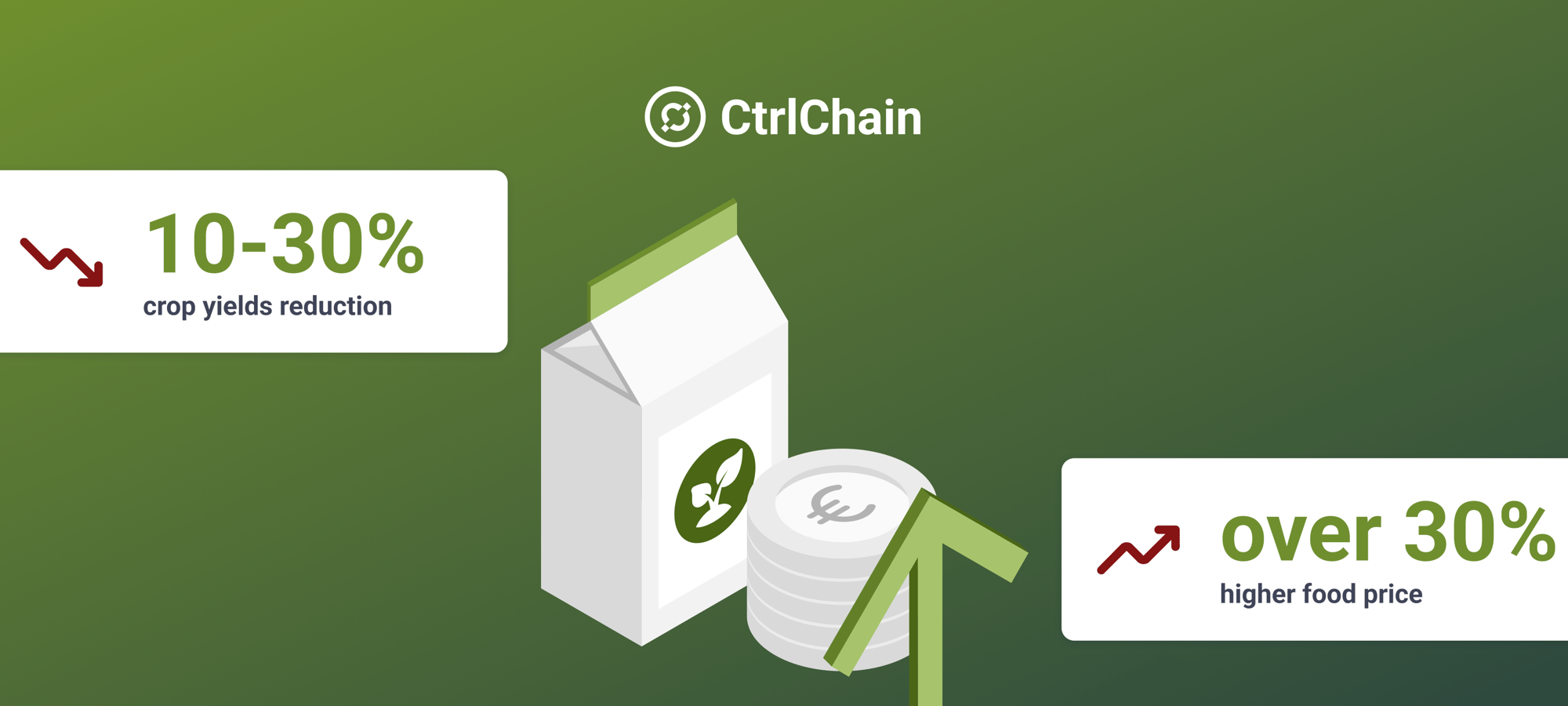
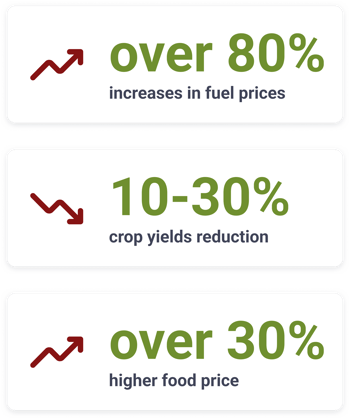
Recent reports show that fertilizer prices have surged significantly in response to these disruptions, with some markets experiencing increases of over 80 percent. At the farm level, this creates immediate pressure. Farmers must either absorb these rising costs or reduce fertilizer use. In many cases, reduced usage leads to lower productivity, with crop yields potentially falling by 10 to 30 percent depending on the crop and region .
The downstream effect is rising food prices. Combined shocks in fuel and fertilizer markets have historically driven food price increases of more than 30 percent, particularly for staple commodities such as wheat and maize. This trend is already beginning to materialize again, raising concerns about food affordability and supply stability in the coming months.
For the food transport sector, these developments introduce a new layer of complexity. Higher production costs increase the value of goods moving through the supply chain, putting pressure on margins and pricing strategies. At the same time, fluctuating crop yields can lead to inconsistent volumes, making demand planning and capacity management more difficult.
The situation is further intensified by rising fuel costs. Energy market instability is pushing up diesel prices, which can account for up to 30 percent of total road freight costs in Europe. This creates a compounding effect across the supply chain. Transport operators are not only moving more expensive goods, but they are also paying significantly more to move them.
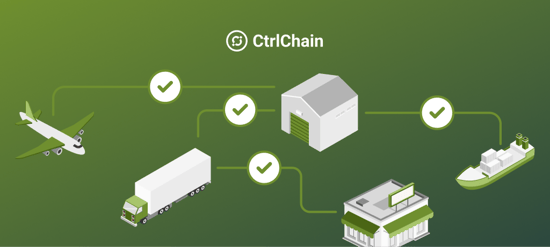
For logistics providers and platforms like CtrlChain, this highlights the growing importance of flexibility and visibility. In a volatile environment, access to real time data and dynamic planning tools becomes essential. Digital freight solutions and predictive analytics can help companies respond quickly to changes in supply, optimize routes, and maintain operational efficiency despite ongoing disruptions.
At the same time, supply chain volatility is increasing. Disruptions in fertilizer and grain exports are affecting global trade flows, leading to sudden shifts in sourcing and routing. This results in more last minute shipment changes and a greater need for agile logistics networks that can adapt in real time.
Collaboration across the supply chain is becoming equally important. Farmers, distributors, and logistics providers must work more closely together to manage uncertainty and avoid bottlenecks. Improved transparency and coordination can help stabilize operations even as external pressures continue to evolve.
The rise in fertilizer prices is a clear example of how interconnected global systems have become. Costs are increasing at every stage, from production to transport, creating a challenging environment for supply chain operators.
Looking ahead, food costs are expected to remain elevated. For businesses in food transport, the focus should be on building resilience through smarter logistics, better data, and stronger partnerships. Those that invest in adaptability and visibility will be better positioned to navigate ongoing disruption and maintain a competitive edge.